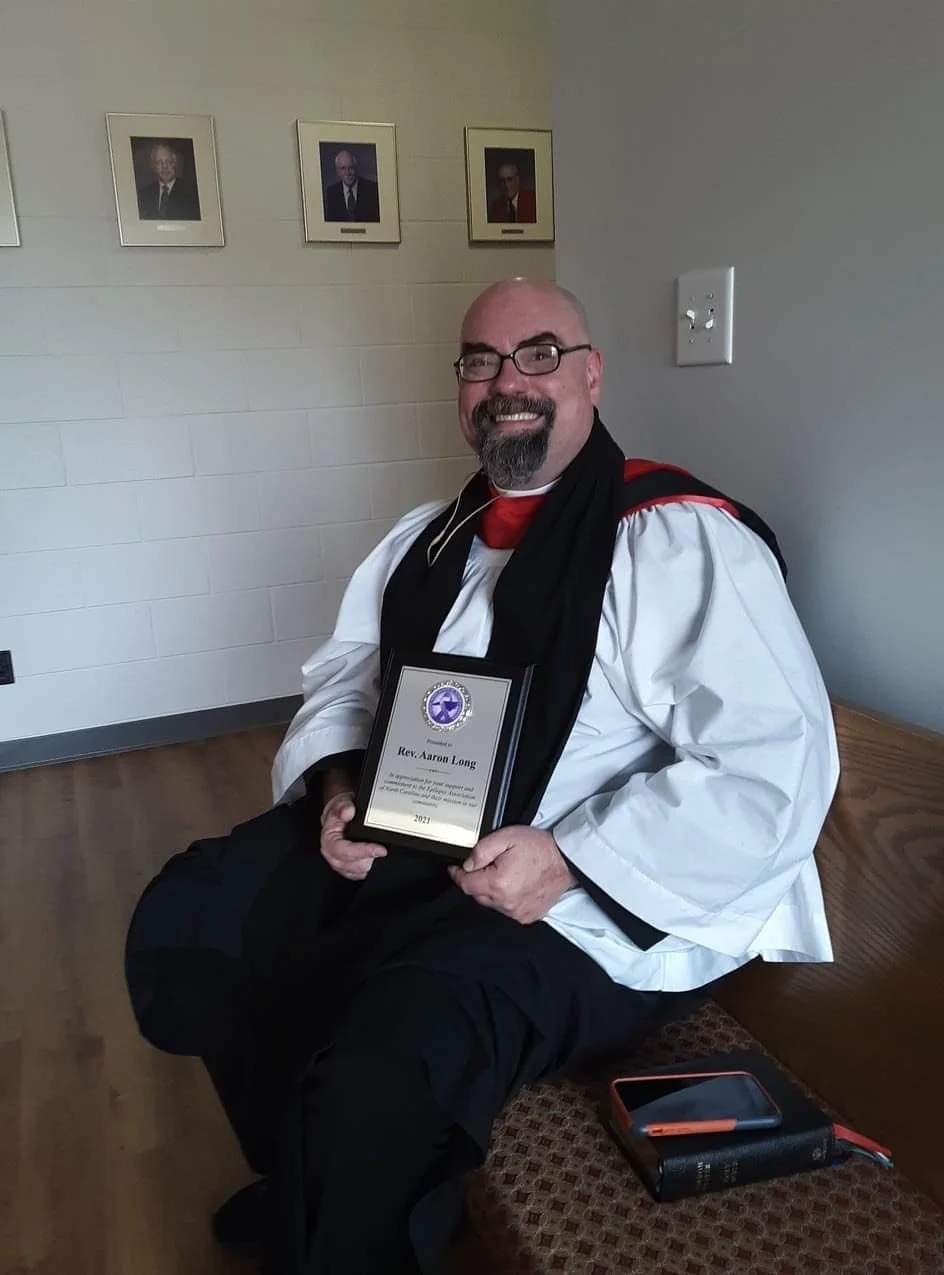
Rev. Aaron Long: Creed, Cult, Code
Now that I have gotten everyone confused about my title, let me explain. I wanted to write something positive, something helpful, to give some advice to churches in this week’s column and this is all about being helpful. Every successful church is founded on these three things: Creed, Cult and Code. They give definition and structure and life to a church, helping the church identify what they believe and how they live it out. Unless a church can develop these concepts, they are not going to last very long.
Now, I know what you are going to say: “We are founded upon Jesus Christ, He is the chief cornerstone.” Yes, you are correct, but you know who else says that? Mormons and Jehovah’s Witnesses, neither of which are Christian groups. We must define who we know Jesus to be, how we worship Him and how we shape our lives based on what He has taught us. If we can’t do this, we are nothing more than a social club putting out good vibes.
So, let’s start with Creed.
The English word creed comes from the Latin Credo, literally meaning “I believe.” (By the way, the Apostle’s Creed is called a creed because the first word in Latin in the Apostle’s Creed is Credo.) Every church needs to define its beliefs. It needs a statement of faith complete enough to provide a backbone for the teaching of the church.
It’s not enough to say, “No creed but the Bible,” because everyone would agree with that, and it doesn’t define things like who Jesus is, what original sin means, or how we understand the inspiration of Scripture. People need to know what is taught in the church they are attending so they can make an educated choice about whether they can become members of that church. Churches need a creed because it gives the basic definitions that will be used for the faith within the church.
The second word here is Cult, and I am not talking about Scientologists or Mormons. I am talking about cultic structures within the church such as liturgy and polity.
Liturgy is how you worship — the structure of the service. How many times do you take Holy Communion each year? What mode is used for baptism? What does a wedding or funeral service look like? Every church has a liturgy, and the liturgy forms the beliefs of the church as much as the creed does. Borrowing Latin again, lex orandi, lex credendi — “how we worship or pray shapes how we believe.”
Church polity, or government, forms a strong part of identity also, with Episcopalians and Presbyterians both having their form of church government in the name of their denomination.
Finally, Code: how are we to live?
What is the role of the Ten Commandments within the life of the believer? What are the church’s views on sexuality, the death penalty and reaching out to the sick and suffering, the orphans and widows? How often should a member fast, and what should a member give to the church regularly?
This may sound like cold and dry stuff, but it is necessary.
If you were asked, could you identify what your church believes? Could you explain why you worship the way you do or how decisions are made in your church? Could you tell people about your church’s social positions?
By local congregations identifying what these things are, we not only enable members to grow in their faith, but we also develop a better sense of unity within the congregation and a stronger ability to do outreach in the community.