Talking Local Journalism, AI and the Power of Community with Algenon Cash
By Antionette Kerr
Five years ago, Davidson Local started with a simple idea: local communities deserve hyperlocal news.
What began as a small effort to tell stories often overlooked by larger media outlets has grown into a trusted source of news, information and community connection across Davidson County. Along the way, Davidson Local has covered everything from school board meetings and affordable housing challenges to environmental concerns, arts and culture, investigations, public safety and the stories that celebrate the people who make this community unique.
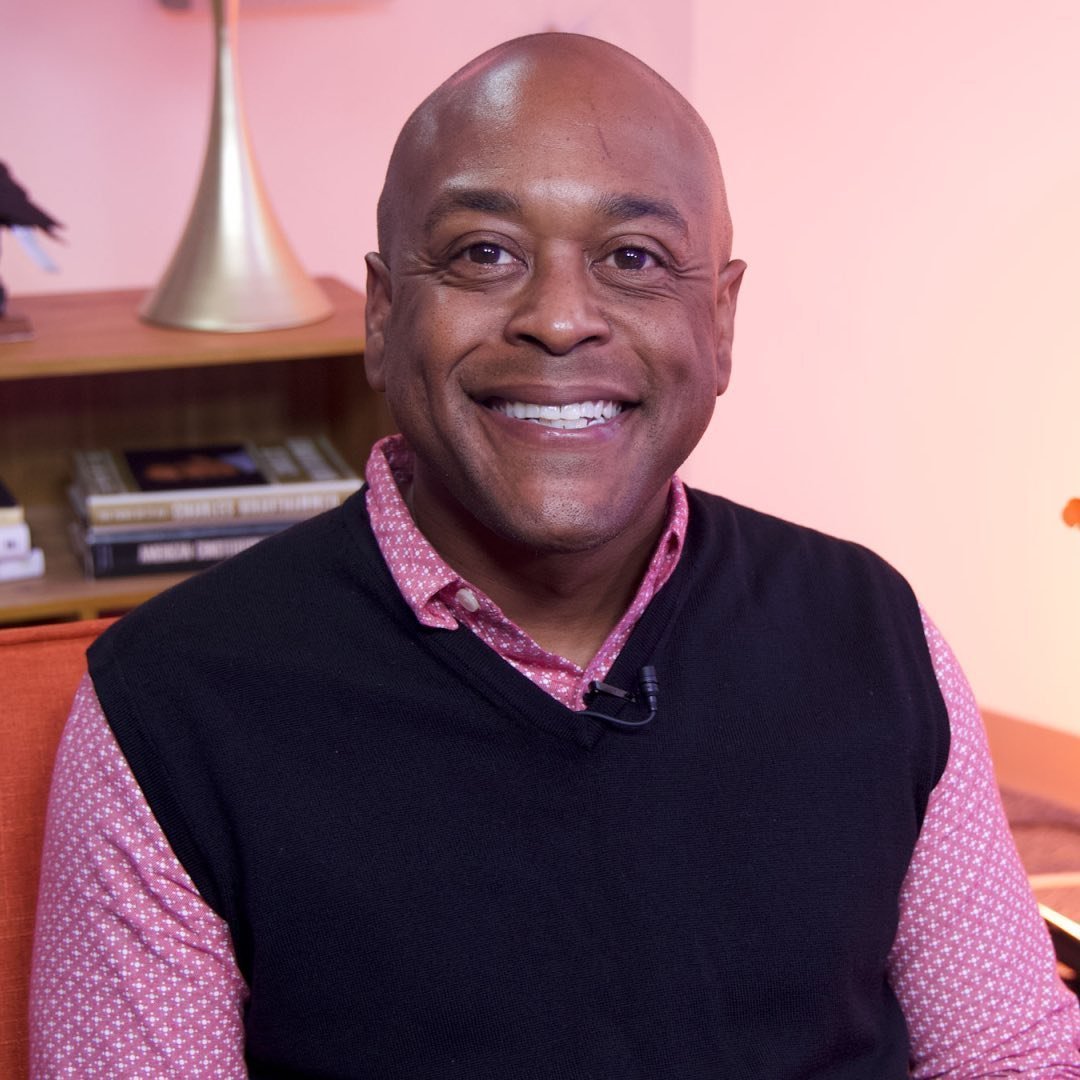
Recently, I had the opportunity to sit down with my friend Algenon Cash, founder of Eat, Drink, Triad and a longtime entrepreneur, strategist and community connector, to discuss the future of journalism, artificial intelligence and what comes next for local media.
Our conversation felt fitting.
Before Davidson Local ever published its first story, Algenon was one of the people helping connect ideas, relationships and resources that made the project possible. Through networking, strategic partnerships and a belief that local ideas and local people matter, he helped Davidson Local get off the ground during its earliest days. Our community is stronger today because of that vision.
Algenon has always been ahead of the curve. From economic development and entrepreneurship to small businesses, restaurants and community engagement, he has consistently found ways to connect people and opportunities. His work has helped shine a light on what makes this region special while creating space for others to succeed.
I would be lying if I said we always agree. There have been plenty of heated debates about politics, public policy and the future of our community over the years. There are moments when Algenon's brutal honesty makes me want to scream. He has a way of cutting straight through the noise and getting to the heart of an issue, whether you're ready to hear it or not. But that's also one of the things I respect most about him. He isn't interested in telling people what they want to hear. He's interested in asking hard questions, challenging assumptions and pushing conversations beyond the comfortable talking points that often dominate public discourse.
He recently reflected on that journey in a blog post, writing that one of his greatest gifts has always been bringing people together around a shared vision.
Five years later, that vision continues to evolve.
As artificial intelligence rapidly transforms industries across the country, journalism is facing many of the same questions confronting education, healthcare, government and small business. What role should AI play? How can technology improve efficiency without sacrificing trust? And perhaps most importantly, what remains uniquely human?
Cash believes local journalism remains essential.
"The strongest communities aren't built by national figures," he wrote. "They're built by local people who consistently show up and do the work."
That philosophy has guided much of Davidson Local's reporting over the last five years.
During our discussion, we talked about how AI can help small news organizations compete in an increasingly challenging media environment. From transcription and translation to audience engagement and workflow management, technology offers opportunities that many independent newsrooms could only dream about a decade ago.
For rural and community-based media organizations, those tools can be transformative.
At the same time, we agreed that technology cannot replace the most important part of journalism: relationships.
AI can help summarize documents, organize information, identify trends and make small newsrooms more efficient. What it cannot do is read the room.
It doesn't know the history between community leaders sitting on opposite sides of a meeting room. It doesn't remember the promises made years ago, the controversy that happened last month or the trust that took years to build with a source who finally decides to tell their story. It can't recognize the look on a resident's face after a difficult public hearing or understand the significance of what wasn't said during a meeting.
Artificial intelligence cannot attend a community meeting and understand the emotion in a resident's voice. It cannot build trust with a source who has spent months deciding whether to share their story. It cannot sit across from a grieving family, witness injustice firsthand or understand the cultural nuances that shape a community.
Those things come from being present. They come from showing up consistently. They come from understanding the people, the history and the relationships that make a community what it is.
That's why AI may become a valuable tool in journalism, but it will never replace the human relationships, institutional knowledge and lived experience that make local reporting matter.
We also spent time talking about standards.
In a world where everyone with a drone, a smartphone and a social media account can call themselves a journalist, the conversation about credibility matters more than ever. Information moves fast. Opinions move even faster. Unfortunately, facts don't always keep up.
Algenon is not a journalist, and he would likely be the first person to tell you that. But one thing that stood out during our conversation was the level of thought, research and strategy he brings to the issues he studies. Whether he is discussing economic development, entrepreneurship, tourism, restaurants, public policy or community engagement, his process is often more deliberate than much of what passes for reporting on social media today.
We talked about the difference between content and journalism.
Journalism requires context. It requires verification. It requires understanding history and recognizing that every story exists within a larger narrative. A video clip, a drone shot or a social media post may capture a moment, but it rarely captures the full story.
Too much of today's online discourse is driven by algorithms, outrage and the race to be first rather than the responsibility to be accurate. Journalism is not simply posting what happened. It is understanding why it happened, who it impacts, what came before it and what questions still need to be asked.
Whether you're a journalist, entrepreneur, public official or community advocate, good decisions require good information. They require context, history and a willingness to challenge assumptions.
That commitment to standards, context and community understanding remains one of the most important differences between journalism and simply creating content.
For Davidson Local, AI represents an opportunity to strengthen reporting rather than replace it. Used thoughtfully, technology can help local journalists spend less time on administrative tasks and more time doing what matters most: listening, investigating and telling stories that impact people's lives.
The conversation also touched on the importance of building sustainable local institutions.
Independent local journalism has faced enormous challenges over the past decade. Newsrooms have closed. Reporters have left the profession. Communities across the country have become news deserts.
Yet Davidson County continues to prove that there is an appetite for local reporting when it reflects the realities, concerns and aspirations of the people who live here.
As Davidson Local enters its next chapter through new partnerships and expanded opportunities, the mission remains the same: provide accessible, community-centered journalism that informs, connects and serves residents.
Personally, I am proud to call Algenon my friend. Like me, he can be a lightning rod. Neither of us is afraid of a challenge and we both understand that meaningful change often comes with criticism. We care deeply about this community and aren't afraid to push conversations forward when it matters.
That's why we're still locked in.
We share a belief that collaboration, storytelling and investing in people can transform communities. Davidson County and the broader Triad are better because of leaders like Algenon who are willing to think differently, build relationships and do the work long before everyone else sees the vision.
As technology changes and media continues to evolve, one thing remains clear: communities still need trusted local voices. They still need people willing to ask questions, share stories and show up. That takes money in a world where people want news for free.
Artificial intelligence may change how journalism is produced.
But the heart of local journalism will always be human.
And that story is still being written.
#LockedIn #StayTuned