Uptown Businesses Face New Challenges as Lexington Continues Recovering From Historic Fire
LEXINGTON — As demolition plans move forward for fire-damaged buildings in Uptown Lexington, neighboring business owners say the weeks following the devastating May fire have tested their resilience, patience, and faith in the future of downtown.
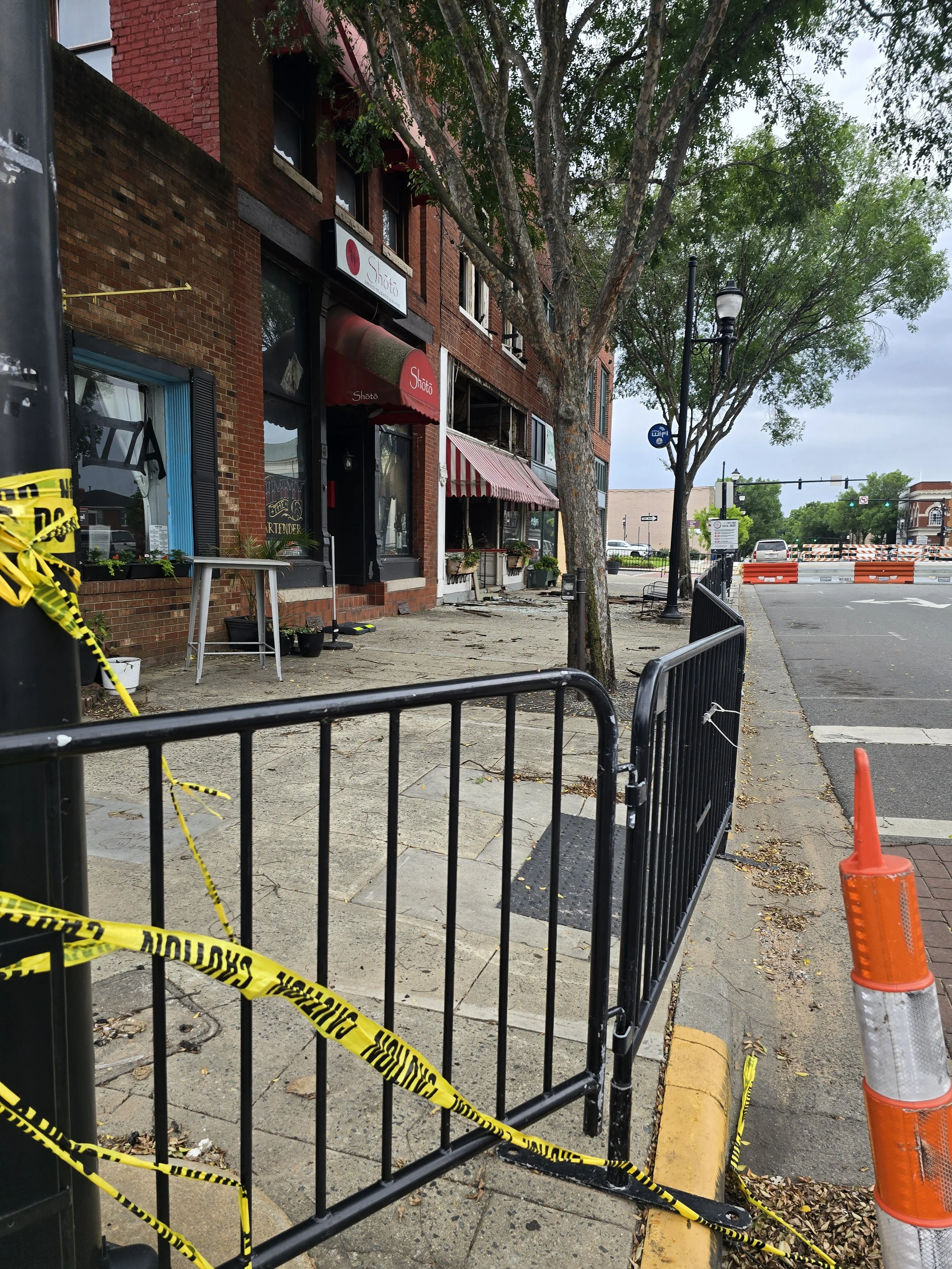
The fire, which destroyed Shoto Japanese Steakhouse, The Candy Factory and Main Street Deli, left more than damaged buildings in its wake. Road closures, limited access, uncertainty and reduced foot traffic have created challenges for businesses throughout the downtown district.
For many longtime residents, the fire brought back memories of other devastating blazes that have shaped Lexington's history. Downtown Lexington's historic buildings have long been one of the community's defining features, but older structures also present unique challenges when fires occur. Over the decades, several significant fires have altered the landscape of Uptown, requiring business owners and residents to rebuild and adapt.
The May fire quickly became one of the most significant downtown fires in recent memory. While no injuries were reported, the temporary loss of beloved businesses created a ripple effect throughout the local economy. The destruction extended beyond the buildings themselves, affecting neighboring merchants who suddenly found themselves behind barricades and road closures.
At the most recent Lexington City Council meeting, Mayor Jason Hayes encouraged residents to continue supporting Uptown businesses during the recovery process. He noted that while several businesses were lost in the fire, many others remain open and depend on community support during this difficult period.
Among those feeling the effects is Red Donuts owner Saro Vay, whose business is located in Uptown Lexington.
"I hope to see Shotos and Candy Factory start the rebuilding process soon and Main Street roads to be open soon," Vay said. "The first two weeks from the fire was scary for me. With the lack of communication and traffic to Uptown I didn't know what to expect. Now that people know what's going on with Uptown, the support we have gotten from the community shows me how much they care for Uptown."
For many business owners, the challenge has not only been financial but emotional. The uncertainty surrounding demolition timelines, road access and recovery plans has left some wondering what the coming months will bring.
In a heartfelt social media post, Sean Bishop, owner of Fox and Olive, offered a candid look at the challenges facing Uptown merchants.
"We are struggling to operate," Bishop wrote.
According to Bishop, Fox and Olive's Lexington location was down 47.82 percent as of Saturday compared to the same period a year ago. He noted that while his business has experienced a significant decline, he has heard from other business owners who report losses as high as 90 percent since the fire and resulting road closures.
Bishop also emphasized that the challenges extend far beyond a few of businesses that have received public attention since the fire. While much of the focus has understandably been on the businesses that were destroyed or directly adjacent to the fire scene, he said many other Uptown merchants have experienced significant financial impacts as well.
Bishop expressed concern that the public may not realize how widespread those impacts have been. Reduced foot traffic, detours, limited access and uncertainty surrounding the recovery effort have affected retailers, restaurants, service providers and other small businesses throughout the downtown district.
He also pointed out that some businesses were already navigating difficult economic conditions before the fire. Bishop cited broader economic uncertainty and tariffs as ongoing challenges that have affected small businesses over the past year. The fire, road closures and reduced visibility for downtown merchants have only intensified those pressures.
In a Facebook post, the Army Navy Store sought to clear up confusion about access to Uptown businesses following the fire and road closures.
"Just to clear up some confusion we are still very much open for business! The same goes with most businesses in the area despite what happened directly across from us," the business wrote.
The post noted that while the road in front of the store remains closed, parking is still available in the square and on nearby streets.
"With that said come spend the day uptown and support all the businesses in Lexington if you can," the post continued.
The message echoed concerns raised by Bishop and other business owners that many residents may mistakenly believe portions of Uptown are inaccessible or closed. Business owners say one of the biggest challenges has been reminding customers that most stores, restaurants and service providers remain open despite the ongoing recovery effort.
The effort to support Uptown businesses has also extended beyond Davidson County. Algenon Cash of Eat, Drink, Triad has used his regional platform to bring attention to the challenges facing Lexington's downtown merchants and the importance of supporting local businesses during the recovery process.
Cash recently featured former Lexington Mayor Newell Clark in a discussion about the history of Uptown Lexington, the significance of its historic downtown district and the economic impact the fire has had on businesses throughout the area. The conversation introduced the story to audiences across the Triad and highlighted the importance of supporting businesses that remain open while recovery efforts continue.
Cash said his conversation with Clark also focused on the long-term future of Uptown Lexington and the role residential development could play in strengthening the downtown economy.
"One of the most interesting parts of my conversation with former Mayor Newell Clark focused on a new apartment project he is developing in Uptown Lexington," Cash said. "For years, communities across North Carolina have invested heavily in downtown revitalization efforts. But successful downtown districts ultimately need a balance of retail, restaurants, entertainment, office space, and housing."
Cash said Clark shared why he believes residential development is an important part of Lexington's future and how bringing more residents into the downtown area can help support local businesses, strengthen community connections and create a more vibrant city center.
While much of the current conversation has focused on recovery from the fire, Cash said discussions about housing, economic development and long-term investment remain important as Lexington looks toward the future of its downtown district.
Several business owners have taken to social media in recent weeks to express concerns about the impact the closures are having on their operations and whether they can continue weathering the disruption. Their message is that the recovery story is not only about rebuilding damaged buildings, but also about helping the many businesses that remain open survive long enough to benefit from that rebuilding.
Despite the challenges, many business owners say they have been encouraged by the response from residents. Customers have made intentional efforts to shop locally, purchase gift cards, attend downtown events and remind business owners that they have not been forgotten.
Several fundraisers have also been organized through social media to benefit businesses impacted by the fire and the resulting disruption to downtown commerce.
The fire may have damaged several landmark businesses, but many say it has also highlighted something else: the resilience of Lexington's downtown community.