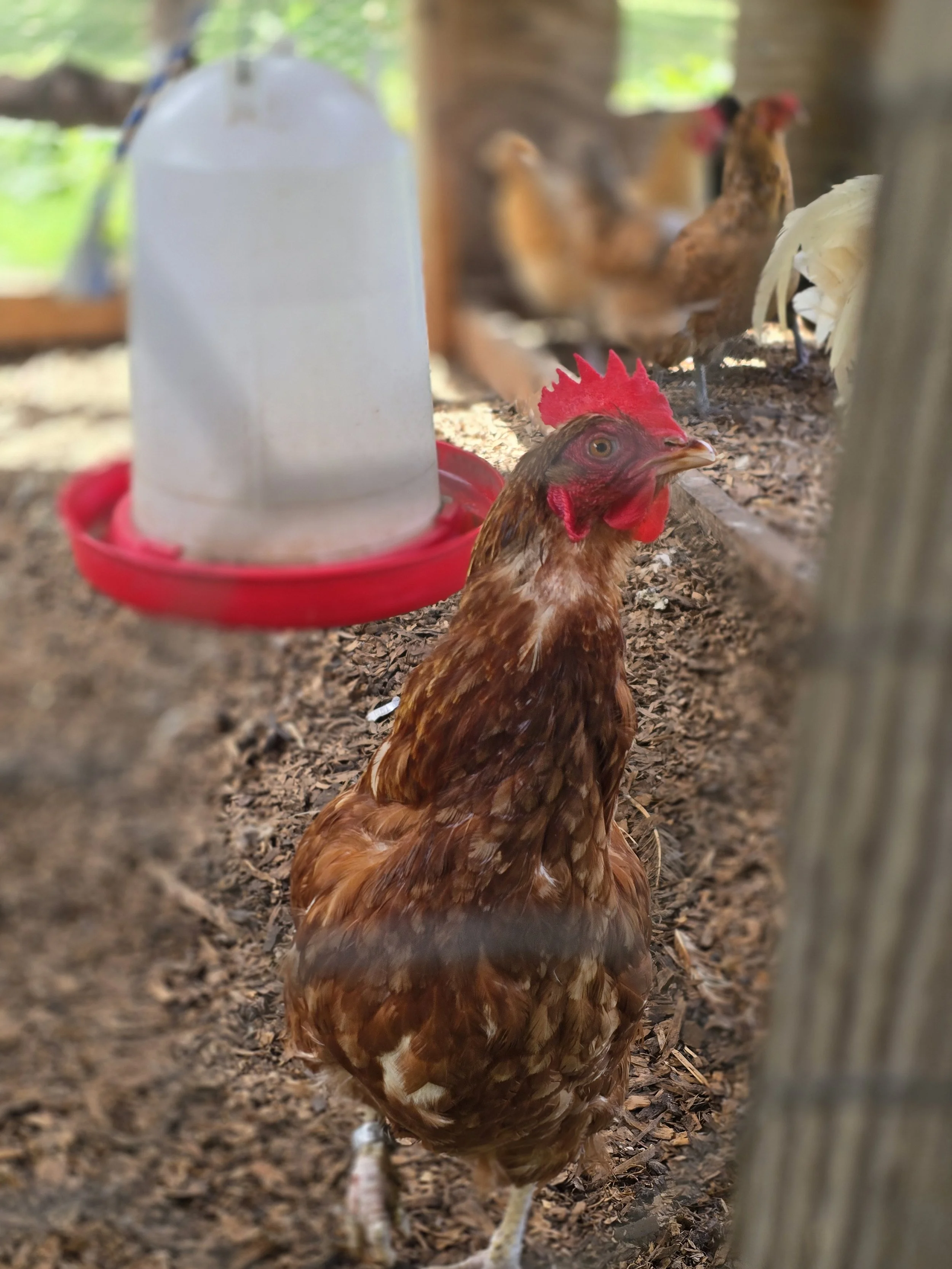
Xander Bostick: Data Center Perspective From the Holly Grove Homestead
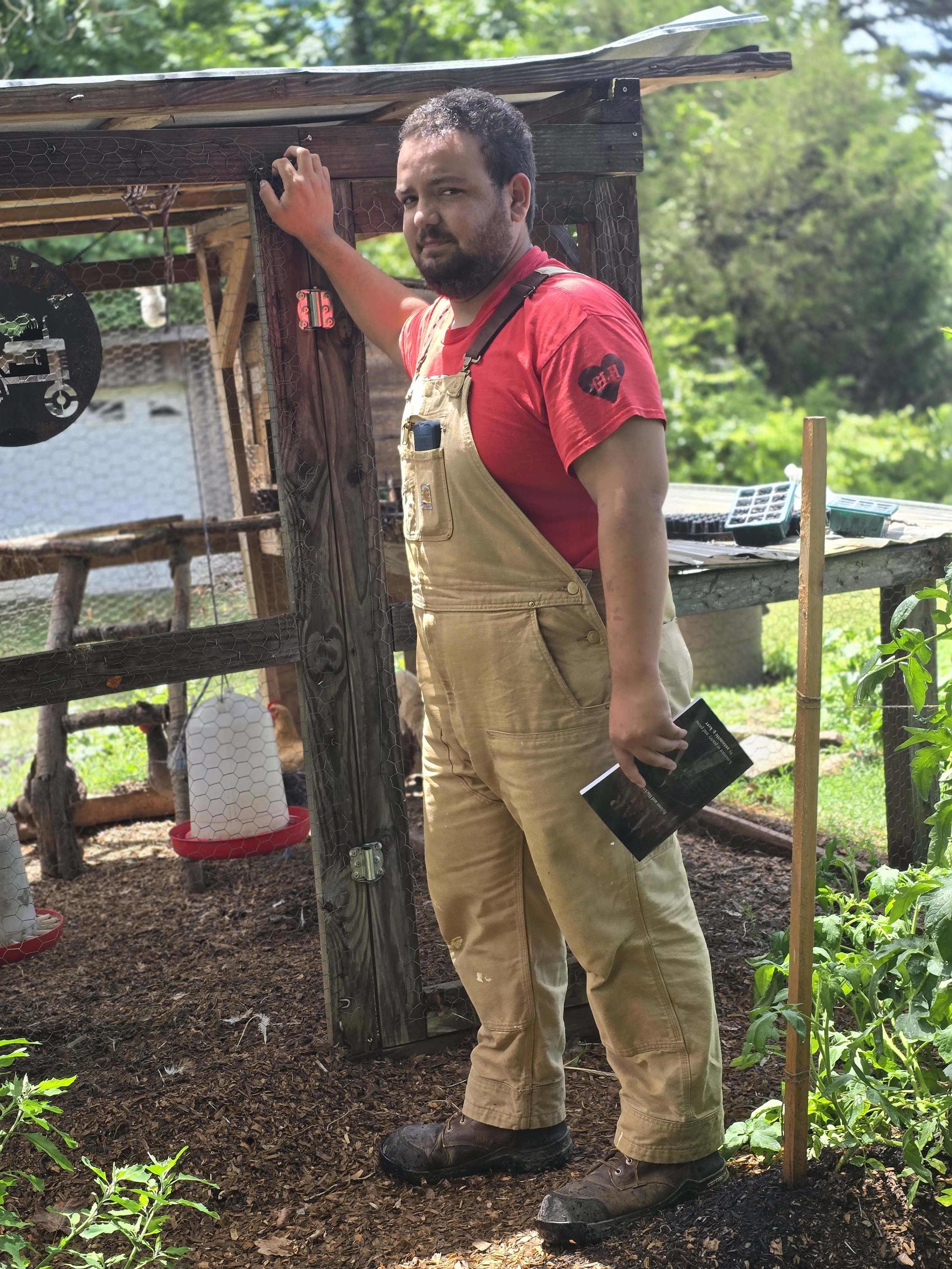
By Xander Bostick
Farming News
The controversy surrounding the proposed Duke Energy plants and newly announced AI data centers continues to grow, as farmers, conservationists, and local activists enter their third month of organized opposition.
The proposed Duke Energy facilities would be built across from one another along the Yadkin River. According to project information discussed publicly, the plants are expected to draw millions of gallons of water each day to cool their systems before returning heated water to the river.
Local residents have not been quiet about their concerns. Citizens and community representatives have attended county commissioners meetings month after month, using public comment periods to raise questions about the potential impacts on the environment, agriculture, and local communities.
Among the concerns voiced by farmers is the possibility that chemical pollutants could enter water sources used for crops and livestock. Many residents say they want stronger assurances that local farmland, produce, and animal operations will not be negatively affected by future development.
The debate shows no signs of slowing down. Organizers have announced that a public march opposing the projects is being planned, with a date expected to be released in the coming months. Until then, community members on all sides of the issue continue to watch developments closely as discussions move forward.
Garden Tips
Dry Davidson County: Beating the Drought Without Breaking a Sweat
If you're a local farmer, gardener, or simply someone who enjoys spending time outdoors, you've probably noticed that things have become a little... crispy lately. According to the National Integrated Drought Information System, this year is shaping up to be the driest in more than 132 years. That is a long time without consistent rainfall.
Fortunately, there are several simple ways to help your garden survive the summer heat without turning into a collection of wilted plants.
Mulch Like You Mean It
Most people think of mulch as a weed barrier, but it is also one of the best ways to lock moisture into the soil.
Pine mulch, straw, and wool all work well. If you raise chickens, used pine bedding from the coop makes excellent mulch and gradually enriches the soil as it decomposes.
If you do not have chickens, standard pine mulch or straw works just as well. Buying mulch in bulk from local suppliers is often much less expensive than purchasing bags from home improvement stores.
Turn Empty Wine Bottles into Garden Helpers
This method takes a little preparation, but your plants will appreciate it.
Save empty wine bottles and purchase terracotta watering spikes. Place one spike between every two plants, fill a bottle with water, turn it upside down, and insert it into the spike.
The terracotta slowly releases moisture into the soil throughout the day, giving plants a steady supply of water. Simply refill the bottles as needed.
Let the Rain Do the Work
If your home has gutters, you already have the foundation for a rainwater collection system.
Place a rain barrel beneath a downspout and allow rainfall to fill it naturally. Rain barrels can be purchased or built at home.
It may take several rain events before enough water is collected for regular use. Until then, combine rainwater collection with mulching or terracotta watering spikes to maximize moisture retention.
Final Thoughts
Gardening during a drought can feel challenging, but a little planning goes a long way. Mulching, harvesting rainwater, and recycling wine bottles into slow-release watering systems can help your garden remain productive while conserving water.
Here's hoping for greener gardens, healthier harvests, and a much-needed summer thunderstorm.
Welcome to Chick Kindergarten
A Beginner's Guide to Raising Happy, Healthy Chicks
Bringing home baby chicks is exciting, but keeping them healthy requires more than simply placing them in a box with food and water. A properly prepared brooder and consistent daily care will help chicks grow into friendly, productive adult birds.
Speak to Your Chicks
Believe it or not, chickens recognize familiar voices and faces.
Talking to your chicks from the day they arrive helps them become comfortable around people, making them calmer and easier to handle as they mature.
Build a Safe Brooder
For flocks of 30 chicks or fewer, a sturdy box with walls at least 18 inches high makes an excellent brooder.
Keep it away from drafts, pets, and heavy foot traffic. Cover the top with a screen to prevent adventurous chicks from escaping.
For larger flocks, metal stock tanks are preferred. Avoid plastic containers because heat lamps can melt plastic and create a fire hazard.
Allow approximately:
One-half square foot per chick during the first two weeks.
One square foot per chick after two weeks.
Keep Chicks Warm
Young chicks cannot regulate their own body temperature.
Maintain a floor temperature between 95 and 100 degrees during the first two weeks. Reduce the temperature by five degrees each week until the chicks are fully feathered.
A red heat lamp works well because chicks can move closer or farther away depending on their comfort.
Signs to watch for include:
Huddled together beneath the lamp: Too cold.
Spread around the edges of the brooder: Too warm.
Evenly distributed throughout the brooder: Just right.
Use Proper Bedding
Line the brooder floor with newspaper before adding two to three inches of pine shavings, chopped straw, oat hulls, or coarse corn cob bedding.
Replace bedding daily to keep the brooder clean and dry.
Never leave chicks directly on newspaper, as the slippery surface can contribute to spraddle leg.
Food and Water
Every brooder should include separate containers for food and water.
A chick fountain helps keep water clean while reducing spills.
Feed recommendations include:
Twenty percent protein starter feed for laying breeds.
Twenty-four percent protein starter feed for broilers.
Eighteen to nineteen percent grower feed beginning at eight to ten weeks.
Fresh water should always be available.
Prevent Pecking Problems
Between one and three weeks of age, some chicks may begin pecking at one another.
If this occurs, first improve ventilation and check for overcrowding. Persistent pecking should be discussed with a veterinarian.
Encourage Natural Behaviors
As chicks grow, provide low roosts, bricks, or other elevated surfaces so they can practice perching.
During warm weather, supervised outdoor time inside a secure enclosure allows chicks to explore safely. A shallow pan filled with sand gives them an opportunity to dust bathe, one of their favorite natural behaviors.
Practice Good Hygiene
Good sanitation protects both people and poultry.
Always wash your hands after handling birds or cleaning the brooder.
Additional safety recommendations include:
Supervise young children around poultry.
Do not eat or drink where birds are housed.
Cook eggs thoroughly.
Keep poultry out of kitchens and food preparation areas.
Clean feeders, waterers, and equipment outdoors whenever possible.
Raising Healthy Birds
With proper housing, warmth, fresh food, clean water, and daily attention, baby chicks quickly grow into healthy, productive members of the flock. A little extra care during their first few weeks pays dividends for years to come.