Column: Accessibility Isn't Special Treatment
Vulnerability has a way of revealing who we are as people and as societies.
Recently, I traveled with a friend who was recovering from a broken tibia and fibula. They had surgery, stitches, a rod in their leg, and a medical boot. Every step required a little more effort than most of us think about. Standing in long lines, navigating airports, and carrying luggage were no longer simple tasks. Yet they were determined to travel anyway.
People with disabilities, whether temporary or permanent, deserve adventure. They deserve vacations, sunsets, laughter, good food, and the opportunity to experience the world just like everyone else.
What stayed with me from that trip wasn't the injury itself. It was how differently people responded to it.
As we moved through an airport in the United States, we knew additional screening would be required. The metal rod in their leg and the boot made that unavoidable. We tried to be respectful of the process and mindful of everyone around us. At one point, a TSA agent said, "We have to treat everyone the same."
I've thought about those words ever since because, on the surface, they sound fair. Most of us are taught that fairness means treating everyone the same. But life has shown me that fairness and sameness are not always the same thing.
We talk a lot about accessibility in America. We create policies, conduct trainings, and post signs explaining people's rights. All of that matters. But sometimes accessibility is much simpler than that. Sometimes it's recognizing that the person standing in front of you is carrying something heavy and responding with a little grace.
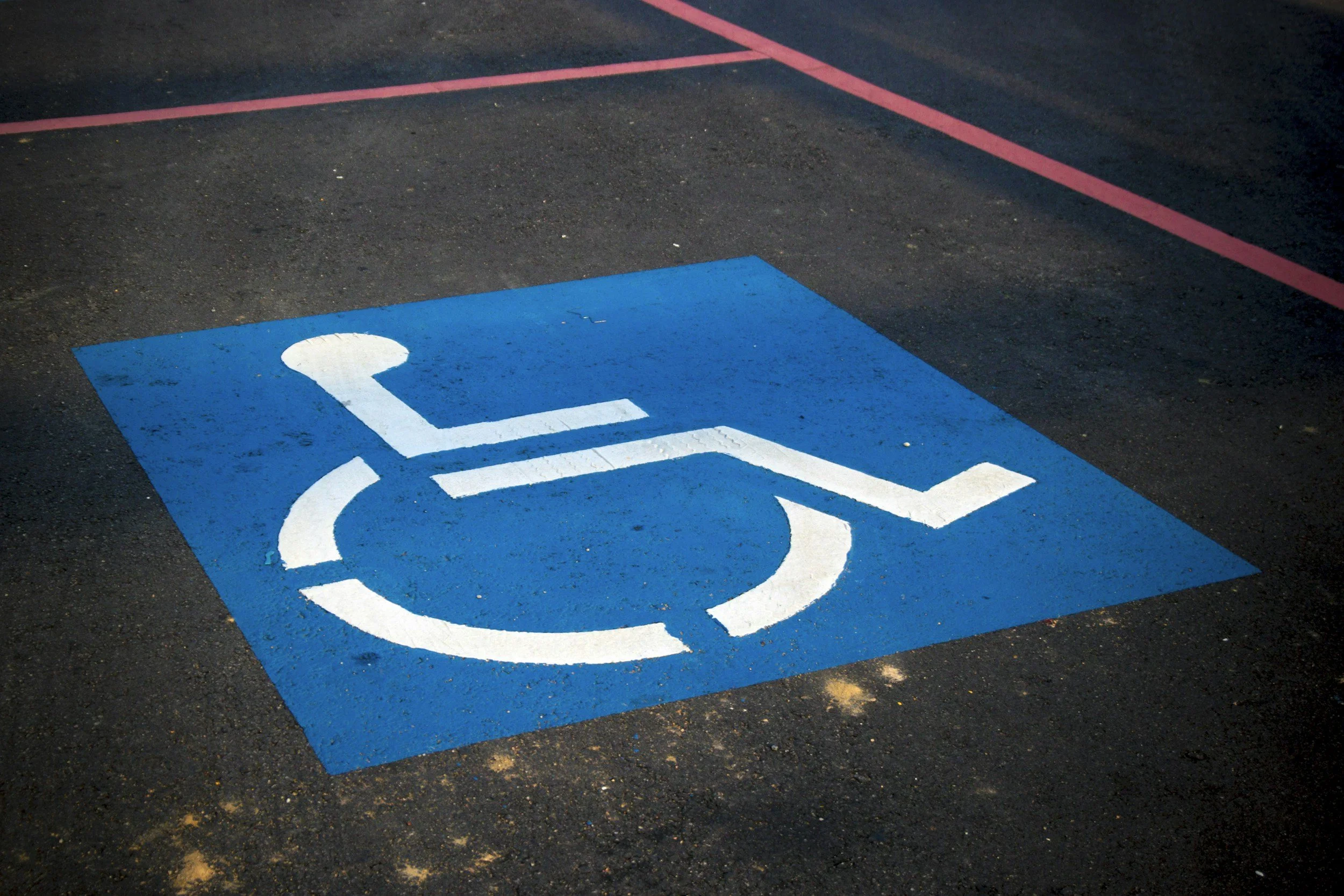
The older I get, the more I realize that accommodations are often misunderstood. People hear the word and assume someone is asking for special treatment. In reality, accommodations exist because people move through the world differently. Someone using a wheelchair may need a ramp. Someone who is hard of hearing may need people to slow down, face them when speaking, or provide written information. Someone recovering from a serious injury may need extra time to get through an airport or help navigating a long terminal. None of those things provide an unfair advantage. They simply remove barriers that prevent people from fully participating in everyday life.
My friend wasn't asking to skip security or avoid the rules. They were simply trying to get from one place to another while recovering from a serious injury.
What I noticed in Mexico was different. Again and again, people seemed to see the person before they saw the inconvenience. There wasn't a debate about whether they deserved help or an assumption that they were trying to gain some advantage. People simply asked what they needed. Sometimes that meant offering a wheelchair. Sometimes it meant opening a door or slowing down. Sometimes it was nothing more than a little patience.
None of those acts were extraordinary. They were human.
As someone who has faced my own health challenges over the years, that difference stayed with me. Vulnerability is uncomfortable. It forces us to rely on others in ways we may not want to. It reminds us how quickly independence can change and how easily any one of us can find ourselves needing help.
The truth is that disability is not something that happens only to other people. Whether through injury, illness, aging, or circumstance, most of us will eventually need accommodations of some kind. We may need a ramp, a hearing aid, extra time, assistance, grace, or understanding.
When that moment comes, we probably won't be asking for special treatment. We'll be asking for dignity.
That's why I keep coming back to that statement: "We have to treat everyone the same."
Maybe the better goal is not treating everyone the same. Maybe the better goal is making sure everyone belongs.
Because real accessibility isn't about lowering standards or creating exceptions. It's about removing barriers and recognizing the humanity of the person standing in front of us.
And sometimes that begins with a simple question:
"How can I help?"