Barbara Presnell: What Real Democracy Looks Like

Column
Remember Brigadoon? The 1954 musical, starring Gene Kelly and Cyd Charisse, tells the story of a magical island in the Scottish Highlands that exists for only one day every hundred years. It’s a land of welcome, community, and love—those things that, let’s face it, feel these days as though they only come around every hundred years or so.
Do you believe that I just returned from Brigadoon? It’s a small community called Brasstown in the North Carolina mountains, a long way from anywhere. One hundred years ago, Olive Dame Campbell and her friend, Marguerite Butler, imagined and then built the John C. Campbell Folk School, named for Olive’s late husband. The effort was part of the post-industrial craft revival in America, when people realized if they didn’t do something to preserve their heritage, it would be lost.
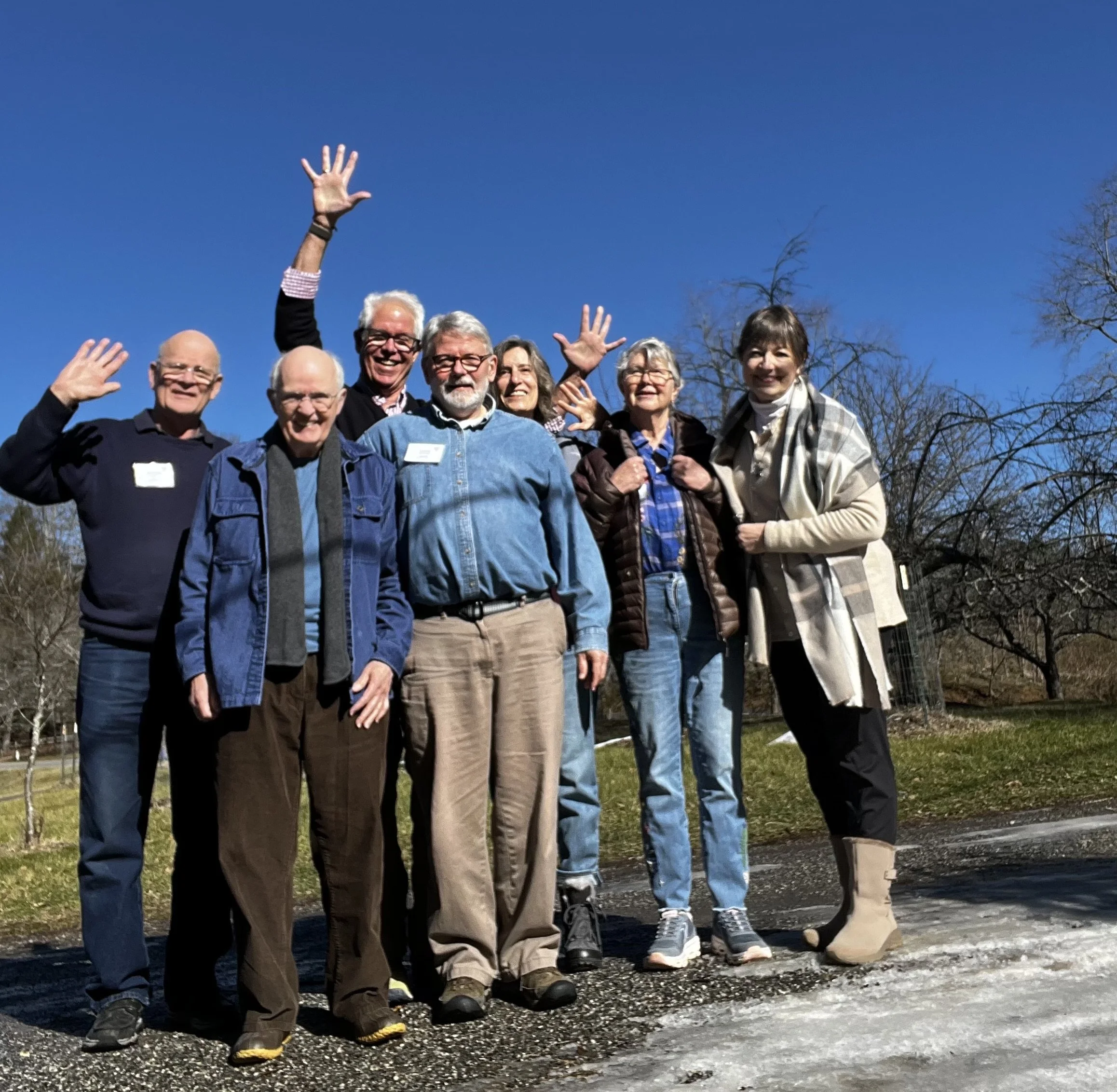
A week at the folk school means 100+ people from all over the country are learning something new. This week, they learned kudzu basket-making, blacksmithing, silver clay jewelry design, fly fishing, circular sock making, eco printing, and, yes, memoir writing. My writing class was made up of students from NC, Tennessee, Maryland, South Carolina, and Maine. Their back-home occupations included law, mental health therapy, English teaching, engineering, and federal government work. Two boasted early-life prison time, one was a big-time drug runner in the 1970s, one grew up in the garment district in New York.
The former fed employee held a high office for 13 years with a well-known boss, both of which will remain nameless in this column for reasons that shouldn’t be true but are. By the time she arrived at the folk school, she was no longer a federal employee. When she called “foul” on shenanigans in her office, she had to flee DC for her safety. A quiet and substantial settlement gave her extended time to figure out her next move. The stories she shared about changes in her office since 2024 were worse than anything I had heard or imagined—which, I admit, were pretty bad. What she told us chilled me, froze me. We’re in more trouble than I even imagined. She is afraid—very afraid—for our country.
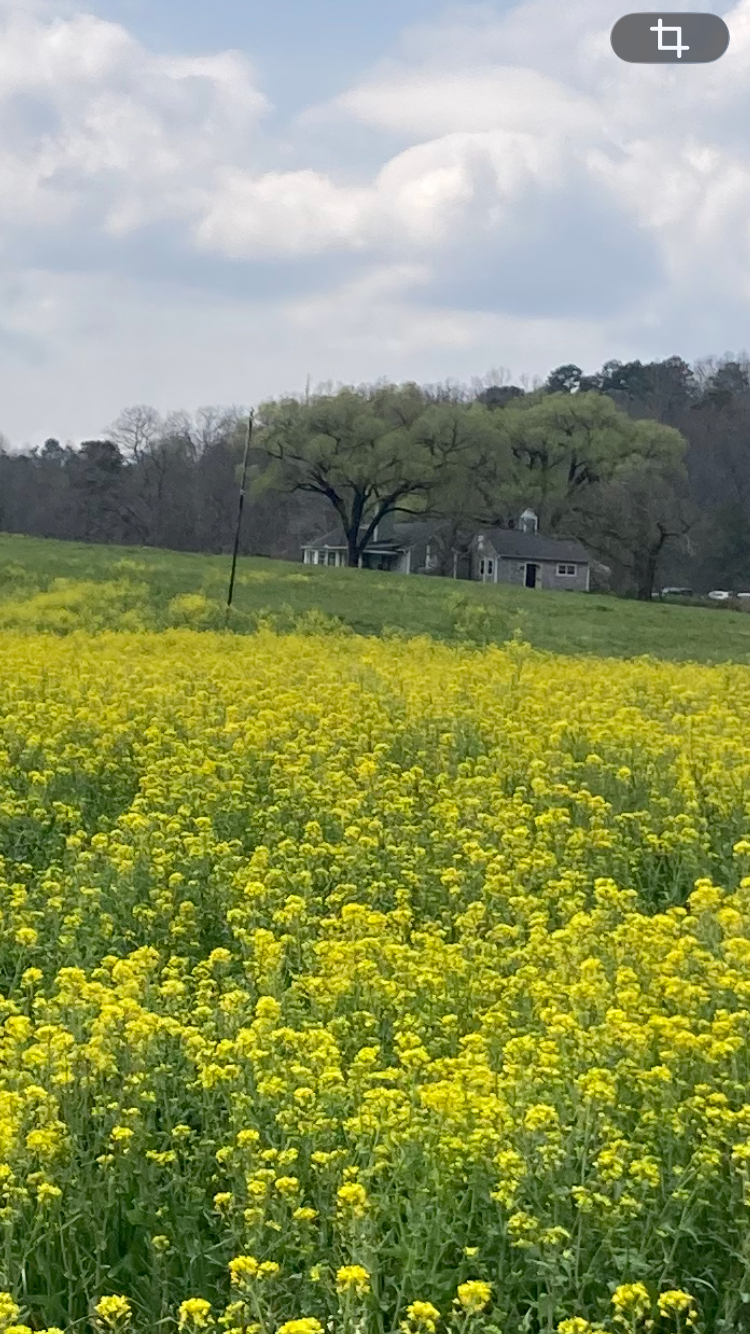
At the folk school, she, like the rest of us, found the community she missed. Diversity of age, region, and gender is abundant. While the school struggles with racial diversity, it has fully embraced its history as a Cherokee homeland and ground zero for the NC Trail of Tears. Working closely with tribal members, the school’s leadership has located and identified locations of gatherings, services, prayers, and even the exact spot where the forced long walk began. On an afternoon hike through the campus acres, I stumbled upon a sacred circle and altar fire, encircled by totems of the six Cherokee clans. It was a solemn, holy place. I could feel the history, the people, the pain.
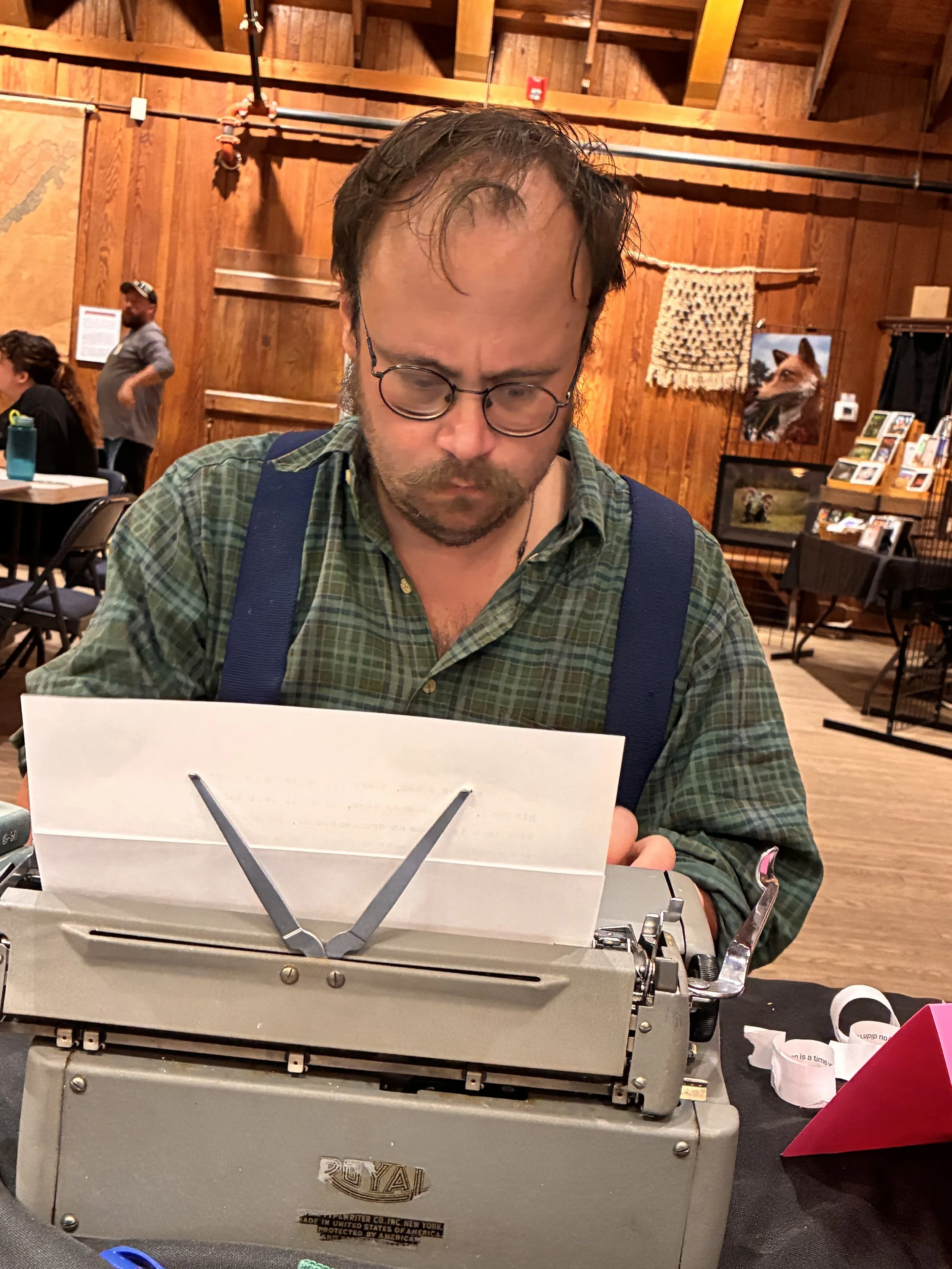
On my last night at the folk school, I met up with a young man who had grown up in Brasstown, worked for many years at the folk school, and now is bartending in the popular local restaurant. We shared our love of all things in this place like no other—where people share kinship with one another without judgment, where art and music and community and history, even when it isn’t pretty, are revered. Where tradition is recognized but not worshipped.
“People need to take this place back to where they live,” my young friend said.
On the Saturday that I drove through the mountains back to Lexington, No Kings rallies were taking place in little towns and big cities all along my route. Two of my students left early so they could participate. People who want a return to civility, respect, and a decent life for all peacefully gathered—over 8 million of them across the country. A few disruptive incidents occurred, but the numbers of participants—and those like me who would have been there if they could have been—spoke loudly, shouted, to our tone-deaf administration.
The next day, I witnessed something I thought I never would, something my parents would have never believed: the installation of Rev. Lester E. Smith as the first Black minister of a white church in Lexington, Mt. Tabor UCC in Holly Grove. The congregation was mixed. The service offered traditions from multiple cultures. There was joy in that sanctuary; there was community and support like I have never seen before. I long to see it again and again.
Brigadoon has one very serious problem—it’s stuck in time. On the day the island returns every hundred years, it comes back as the Scottish Highlands of hundreds of years ago, not now. It doesn’t see history, it doesn’t see change. It doesn’t see war or bigotry or the absolute weirdness of leadership. It doesn’t advance the lives of women beyond traditional roles. It doesn’t see color. It doesn’t see abuse of power or wealth. It doesn’t see hungry children or growing numbers of children who can’t read. It doesn’t see overcrowded prisons, jail additions, wrongful convictions, and wrongful sentences.
Brigadoon, for two viewing hours, is a fun fantasy movie. Our leadership wants to take us back to an America that shares similarities with Brigadoon—an America that never was real and never will be. History, change, war, bigotry, weirdness of leadership, and all the rest can only be brushed aside in a fantasy world of Hollywood and in the minds of those who prefer to live in their own unreality.
No one in Brigadoon or in Brasstown wants to wipe out an entire civilization. No one bullies anyone else and gets away with it. Power means how well you can wield your paintbrush, your pen, or your lathe—and helping someone else learn the skill.
Brasstown is real. The Trail of Tears really happened. No Kings is a movement that is growing and growing. As the Rev. Lester Smith said to me two days after Easter, “Resurrection has happened. The question is what do we do with it now?”