Potts and Watford join statewide effort on property tax reform
State Representatives Larry Potts and Sam Watford, both serving Davidson County, have been appointed to the North Carolina House Select Committee on Property Tax Reduction and Reform, a newly formed body tasked with examining how to ease the burden of property taxes on residents.
The creation of the committee comes at a time when many North Carolinians—and particularly Davidson County residents—are feeling the impact of rising property values and higher tax bills following recent revaluations.
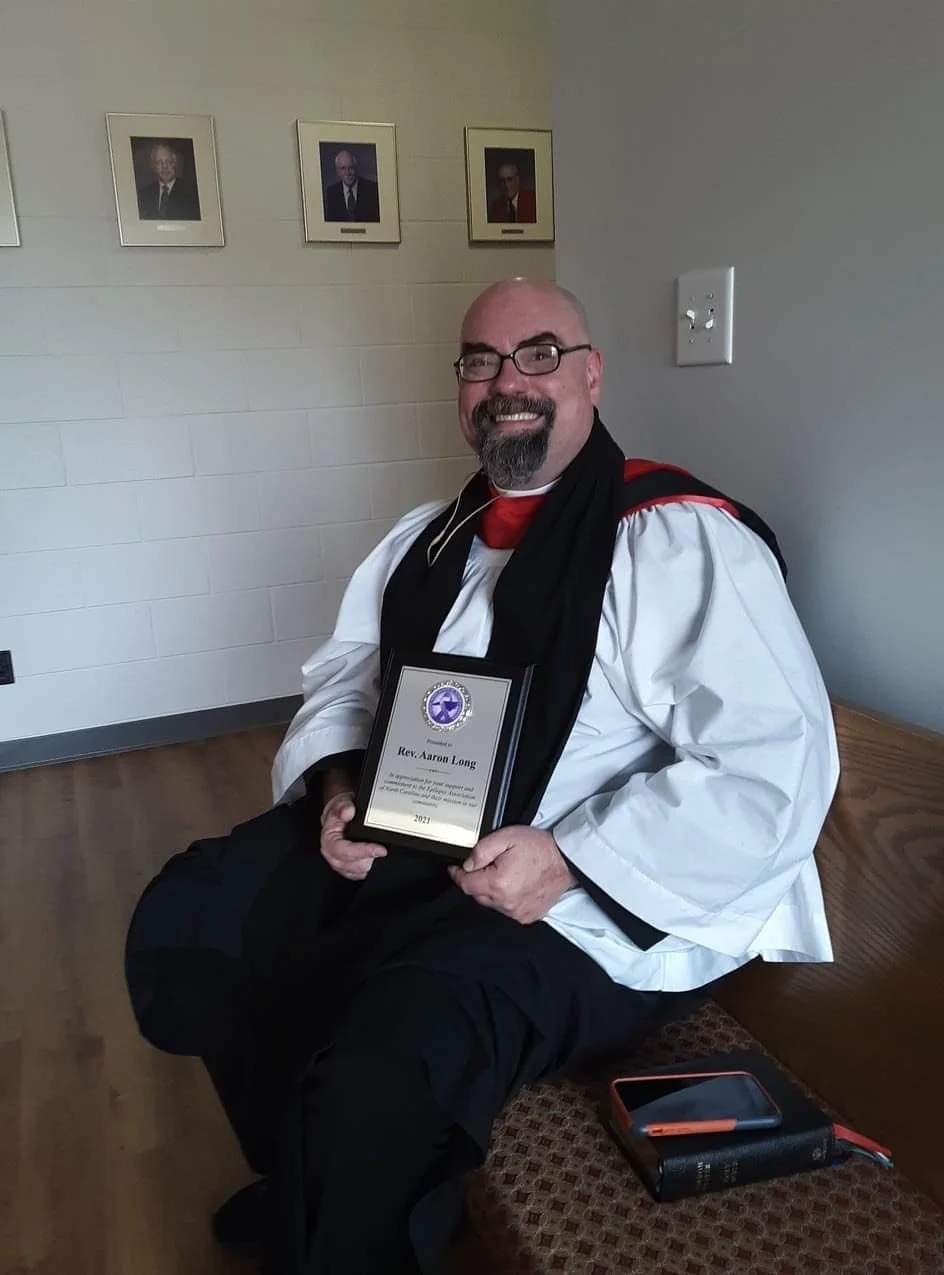
Across the county, property owners have reported significant increases in assessed values. For some, the changes have come with unexpected consequences. One local pastor shared that, for the first time in his memory, his church received a property tax bill—highlighting how shifting interpretations and valuations are affecting even long-standing nonprofit properties.
County officials have noted that under current policy, any property not contiguous to a nonprofit’s primary location may be considered taxable. In practice, that distinction is already having real-world impact. In at least one case in Davidson County, a church says it felt forced to sell property that had been donated to the congregation after it was deemed taxable under these guidelines.
These local realities are reflected in a recent letter to the editor from Davidson County Commissioner Matt Mizell, who acknowledged the strain residents are experiencing.
“Many citizens across the state of North Carolina are facing rising assessed property values and those who live here in Davidson County are no different,” Mizell wrote.
He also addressed the limitations counties face under state law.
“At the same time, there are limits to what can be done at the county level, because counties only have the authority granted to them by the State of North Carolina.”
“North Carolina uses what is called an ad valorem property tax system, which means property is taxed based on its value.”
“Put simply, counties cannot create their own separate property tax classes or formula. Property taxes must be value-based.”
“This forces counties across the state, including Davidson County, to use the ratio of Assessed Property Value to Market Sales as the benchmark to return to a 1:1 ratio – which is what the state mandates.”
Mizell pointed to the county’s primary tool for addressing rising tax bills.
“The main lever we have as a Board of County Commissioners is the property tax rate, which has been one of the lowest in the surrounding area.”
“It has stayed at .54% for over a decade, but given the increase we’re seeing in home values, our conservative board is working to reduce the rate down to about .366% - one of the lowest rates in our history.”
“This gets us to what we refer to as revenue neutral – while taking into account natural growth, we don’t take in more than that.”
He acknowledged that while adjustments may help, they do not eliminate the burden.
“That does not erase the burden, but it does make a major difference.”
Mizell also encouraged residents to review their property assessments.
“I also know some citizens have seen assessments rise far more than expected, in some cases dramatically.”
“I encourage you to look up your property value online through sources like Zillow, Redfin, and Realtor.com.”
“If your new assessed value appears significantly out of line with market reality and your assessment, consider filing an appeal: https://www.co.davidson.nc.us/1070/Property-Appeal”
He closed with a call for broader action at the state level.
“I also hope the General Assembly in Raleigh takes a serious look at this issue and considers reforms to bring more fairness and relief to taxpayers across North Carolina.”
Potts, who previously served as a Davidson County commissioner, brings years of local government experience to the committee. His background offers insight into how property tax decisions affect county budgets and the delivery of services on the ground.
Watford joins him in representing the county’s interests as discussions begin to take shape. Together, the two lawmakers are positioned to weigh both the need for taxpayer relief and the realities faced by local governments that rely heavily on property tax revenue.
As the committee begins its work, the challenge will be finding a balance—providing relief to homeowners, churches, and nonprofits while maintaining the funding needed for public education, infrastructure, and public safety.
The committee will continue meeting in the months ahead, with recommendations expected to inform future legislation. For Davidson County residents, the involvement of Potts and Watford signals that local concerns—now increasingly urgent—will be part of a statewide conversation that could shape the future of property taxation in North Carolina.