Deeper Dive: Lexington's forgotten Barbecue History
I’ve spent years reading, reporting on and helping carry forward the commonly accepted history of Lexington barbecue, including the familiar narrative of founding fathers and early commercial pioneers. That story matters and it exists for a reason. But history is not static, and neither is research.
Recent research—especially work that takes oral histories, plantation landscapes and African American foodways seriously—suggests a more complex origin story than the one many of us were taught. This isn’t about tearing down tradition or picking a fight with the barbecue powers that be (and for the record, I don’t believe there is a barbecue mafia… wink, wink). It’s about widening the lens.
The deeper I’ve gone, the clearer it’s become that Lexington barbecue did not simply appear fully formed in the early 20th century. Its roots reach back through slavery, the Caribbean and African cooking traditions and into Black communities like Petersville, a community built around a plantation, where food, labor and survival intersected long before barbecue became a business.
Caribbean and African Foundations of Barbecue
The very concept of barbecue predates the American South. The word itself is widely traced to the Caribbean term barbacoa, used by Indigenous Taíno people to describe a raised wooden structure for slow-cooking meat over fire and smoke. Enslaved Africans in the Caribbean and the American South adapted and expanded these techniques, blending African fire management and meat preservation practices with local resources.
In Black Smoke: African Americans and the United States of Barbecue, Adrian Miller writes:
“African Americans were the primary pitmasters of the South for generations, honing their craft in slavery and perfecting it in freedom.”
Jessica B. Harris situates this tradition within the broader African diaspora. In High on the Hog, she explains:
“What Africans brought to the American table was not simply food but a way of thinking about food—how it binds people, how it sustains memory and how it marks identity.”
These traditions traveled from West and Central Africa to the Caribbean and into the American South through forced migration, shaping how meat—especially pork—was cooked, smoked and shared.
Pork and the Piedmont
Pork was the most common protein provided to enslaved people in North Carolina, frequently distributed as salted or smoked rations. Plantation records, ration logs and WPA Slave Narratives consistently reference hog killing, meat smoking and communal cooking. Smoking pork was not culinary flair—it was preservation, necessity and skill.
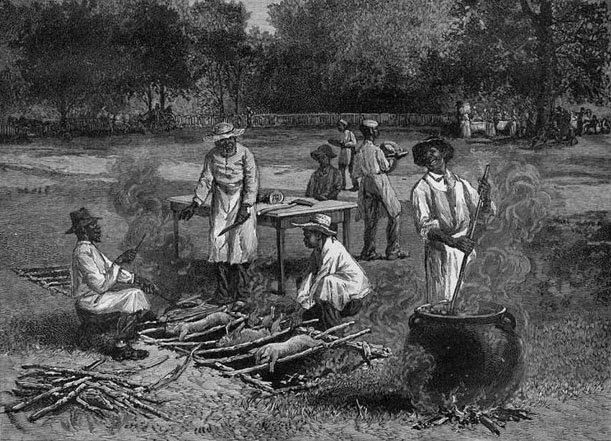
Enslaved cooks were responsible for slaughtering hogs, managing fires and cooking whole animals for plantation feasts, political rallies and community gatherings. These cooks developed reputations for their expertise, though their names were rarely recorded.
As Miller notes:
“Barbecue was one of the first food businesses African Americans could control, because it relied on skill rather than capital.”
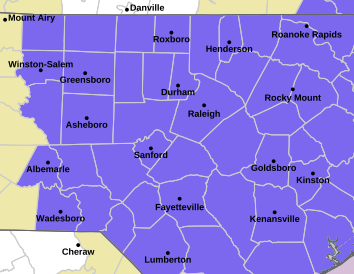
This pattern aligns with local oral tradition suggesting that the style of barbecue Lexington is now known for may have emerged in the Petersville community, an area historically tied to plantation and well-documented history of the Hairston family.
While archival evidence remains incomplete, the tradition itself reflects a familiar truth: barbecue knowledge lived first in practice, not paperwork.
Foodways as Culture and Resistance
For enslaved Africans and their descendants, barbecue was more than sustenance. It created moments of gathering, continuity and cultural survival under brutal conditions. WPA narratives describe food-centered celebrations during holidays and harvests, offering glimpses into how communal meals anchored social life.
Writing It for the Record
I’m now on the hunt for more data and, hopefully, a few names that history failed to carry forward. Oral tradition is powerful, but it is also fragile. When it isn’t written down, archived or formally acknowledged, it can disappear in a generation.
I’m writing this for the record.
What we know about Lexington barbecue has largely been preserved through business histories and public-facing success stories. What remains harder to trace are the people—often Black pitmasters, cooks and laborers—whose knowledge existed long before barbecue became an industry and whose names were rarely recorded. Their contributions lived in practice, not paperwork.
This work is not about rewriting history so much as completing it. By pulling together oral histories, plantation records, WPA narratives and foodways scholarship, I’m working to document what has long been understood within families and communities but seldom preserved in ink.
Lexington barbecue is strong enough to hold a fuller, more honest origin story—one that respects the tradition while honoring the people and places that made it possible. Please feel free to email me with names or details for additional examination ak@davidsonlocal.com.